
ChiropracticMatch Guides
Clear answers after a car accident
Practical guidance on symptoms, appointments, insurance, and choosing care.


Latest guides
392 articles
 AppointmentsWhat Questions Will a Chiropractor Ask About Your Accident?Expect questions about the collision, symptom timing, functional changes, prior care, medical history, and urgent warning signs.Dec 31, 2025 · 4 min read
 LogisticsHow to Tell If a Chiropractor Is Too Far for Accident CareDistance after a crash is about safe travel, appointment frequency, parking, ride availability, and whether the trip worsens symptoms.Dec 30, 2025 · 4 min read
 TimingHow Long Does Chiropractic Treatment Take After a Car Accident?Treatment length depends on examination findings, functional goals, response to care, reassessment, and whether another provider needs to be involved.Dec 29, 2025 · 4 min read
 AppointmentsHow to Read a Chiropractic Treatment Plan After a Car AccidentA treatment plan after a crash should connect findings, goals, visit frequency, reassessment, home guidance, and referral boundaries.Dec 28, 2025 · 4 min read
 SymptomsCan a Car Accident Cause Pelvic Pain?Pelvic pain after a crash can come from seatbelt force, bracing, hip irritation, low-back referral, or a more serious injury.Dec 27, 2025 · 4 min read
 SymptomsWhy Does My Neck Hurt After Washing My Hair After a Car Accident?Hair-washing neck pain after a crash should be tracked by looking up, arm position, shower safety, dizziness, and recovery time.Dec 27, 2025 · 4 min read
 InsuranceCan You Get Reimbursed for Chiropractic Care After a Car Accident?Chiropractic reimbursement after a crash depends on policy terms, claim facts, billing route, records, and proof of payment.Dec 26, 2025 · 4 min read
 AppointmentsHow to Keep a Symptom Journal After a Car AccidentA symptom journal after a crash should be short, dated, specific, and focused on function rather than long summaries.Dec 25, 2025 · 4 min read
 SymptomsWhy Does My Chest Feel Tight After a Car Accident?Chest tightness after a crash can involve seat-belt force, rib-area soreness, anxiety, breathing issues, or urgent medical concerns.Dec 24, 2025 · 4 min read
 AppointmentsShould You Bring ER Discharge Papers to a Chiropractor?ER discharge papers help a chiropractor see what was checked, what instructions were given, and what warning signs matter.Dec 23, 2025 · 4 min read
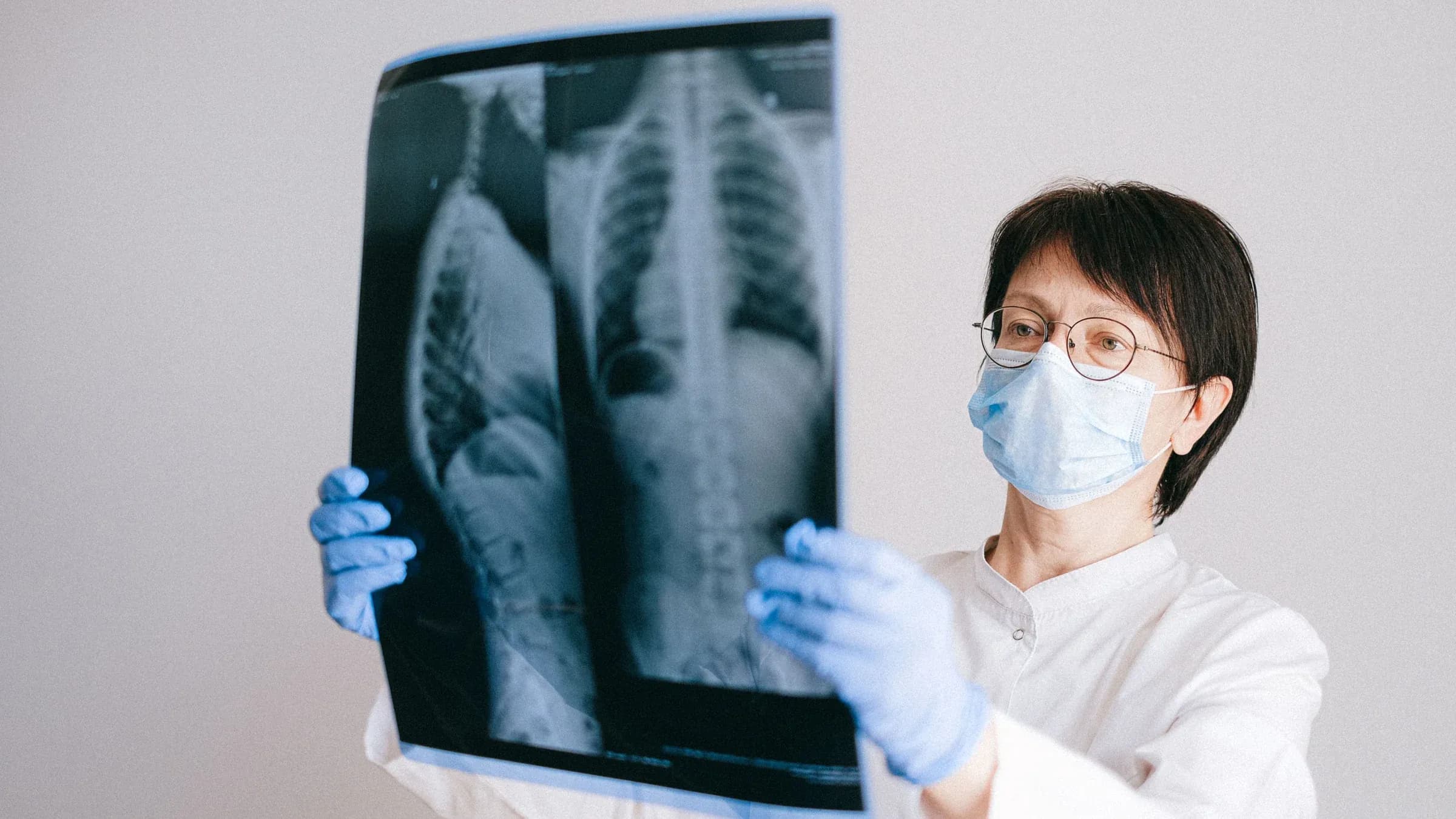 Choosing careCan a Chiropractor Order Imaging After a Car Accident?A chiropractor may be able to order or refer for imaging after a crash depending on state rules, symptoms, and findings.Dec 22, 2025 · 4 min read
 SymptomsCan a Car Accident Cause Facial Pain?Facial pain after a crash can follow airbag impact, jaw strain, dental injury, facial bruising, concussion symptoms, or neck referral.Dec 21, 2025 · 4 min read
 InsuranceWhat If You Were Driving for Work and Need Chiropractic Care?Work-related driving crashes can involve employer reporting, workers' compensation, auto coverage, and job-duty restrictions.Dec 20, 2025 · 4 min read
 SymptomsWhy Does My Back Hurt When I Walk After a Car Accident?Back pain when walking after a crash should be measured by walking distance, limp, leg symptoms, and recovery time.Dec 19, 2025 · 4 min read
 SymptomsWhat If You Are Too Sore to Exercise After a Car Accident?Being too sore to exercise after a crash calls for red-flag screening, activity guidance, and a clear return-to-movement plan.Dec 18, 2025 · 4 min read
 SymptomsWhy Does My Back Tighten Up When I Drive After a Car Accident?Back tightness while driving after a crash can reveal sitting tolerance, bracing, pedal use, or nerve-related patterns.Dec 17, 2025 · 4 min read
 AppointmentsHow to Explain Your Car Accident to a ChiropractorA clear crash explanation covers impact direction, seat position, symptom timing, function limits, prior care, and claim details.Dec 16, 2025 · 4 min read
 InsuranceWhat If Auto Insurance Stops Paying for Chiropractic Care?When auto insurance stops paying for chiropractic care, ask for the exact reason and separate payment review from clinical need.Dec 15, 2025 · 5 min read
 SymptomsCan a Car Accident Cause Arm Pain?Arm pain after a crash can come from direct impact, bracing, shoulder injury, muscle strain, or irritated nerves from the neck.Dec 14, 2025 · 4 min read
 TreatmentWhat If Your Chiropractor Recommends Imaging After a Crash?Imaging after a crash should be tied to symptoms, exam findings, safety questions, referral needs, and follow-up decisions.Dec 13, 2025 · 4 min read
 InsuranceWhat If You Were Hit by a Rideshare Driver and Need Chiropractic Care?Rideshare crashes can add app status, company coverage, personal auto insurance, and documentation questions to care decisions.Dec 12, 2025 · 4 min read
 SymptomsWhy Does My Shoulder Hurt When Reaching After a Car Accident?Shoulder pain when reaching after a crash should be tracked by reach direction, weakness, neck overlap, and arm symptoms.Dec 12, 2025 · 4 min read
 SymptomsWhat Does Nerve Damage Feel Like After a Crash?Possible nerve-related symptoms can include burning, electric pain, numbness, tingling, weakness, or unusual sensitivity.Dec 11, 2025 · 4 min read
 SymptomsWhat Does Sharp Pain After a Car Accident Mean?Sharp pain after a crash can come from muscle strain, joint irritation, rib or bone injury, nerve irritation, or medical concerns.Dec 10, 2025 · 4 min read
Looking for care in your area? ChiropracticMatch can help search for a participating chiropractor.