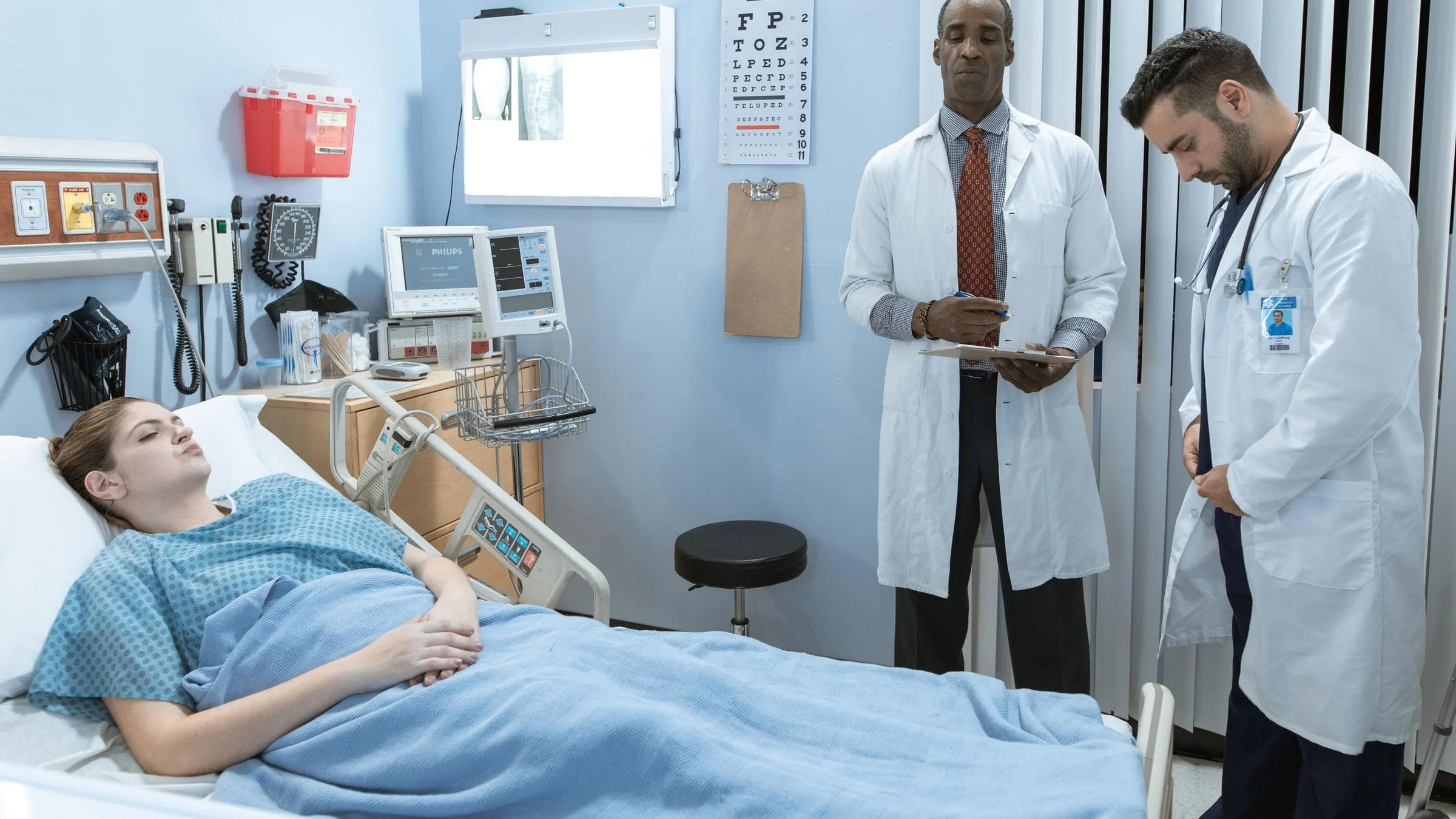
Understanding pelvic pain
The pelvis connects the spine, hips, abdominal wall, and legs, so pain there can be confusing after a crash. A seatbelt may load the lower abdomen, bracing can stress the hips, and low-back irritation may refer pain nearby. The area matters: front of pelvis, groin, tailbone, buttock, hip, or lower abdomen each raises different questions. Pain that worsens when standing, walking, climbing stairs, or putting weight on one leg deserves careful attention. Severe pain or inability to walk normally should be medically evaluated. If the pain feels more like hip-area pain, compare can a car accident cause hip pain. Do not force walking to test whether it improves.
Use one everyday pre-crash task to clarify the practical change caused by pelvic pain. When noting the pelvic discomfort, include the body area, first appearance, activity that shifts it, and any symptom that occurs at the same time. As background for the pelvic discomfort, MedlinePlus's Pain offers background on pain.
Changes that call for earlier evaluation
Severity alone does not settle where to evaluate pelvic pain. Recent progression and signs beyond the local body area also affect that decision. Use medical triage for an uncertain or deteriorating change in pelvic pain.
Select the setting that fits pelvic pain rather than simply waiting for the next standard visit. How quickly the pelvic discomfort developed, and what appears with it, can change where assessment should begin. In considering the pelvic discomfort, Mayo Clinic's Chiropractic adjustment explains procedure and safety considerations.
- New weakness or spreading numbness
- Trouble walking, fainting, or confusion
- Repeated vomiting or breathing difficulty
- Significant chest or abdominal pain

Describe function in concrete terms
Pick familiar activities that reveal the practical effect of pelvic pain without deliberately testing a serious symptom. Useful reference points for pelvic pain include rest, driving, walking, carrying, work, focus, and self-care. At follow-up for pelvic pain, use one unchanged safe benchmark to judge the larger trend.
Measure the pelvic discomfort against an activity that matters, then use that same activity at the next check-in. When reviewing the pelvic discomfort, Johns Hopkins Medicine's Soft-tissue injuries adds soft-tissue background.
Clarify what is known and unknown
The history of pelvic pain, its effect on daily activity, and the exam all contribute different information. Ask which observations help clarify pelvic pain, what remains unresolved, and which examination result would call for imaging, another specialist, or a different setting. Regarding pelvic pain, the clinician should identify what the exam supports, what it cannot establish, and why any timeline remains provisional.
Take the records you have for the pelvic discomfort and list what has not arrived yet. A complete file is not required to begin asking questions. When reviewing the pelvic discomfort, NCCIH outlines relevant safety considerations in Spinal manipulation safety and side effects.
- Crash date, general impact direction, and whether you were a driver, passenger, cyclist, or pedestrian
- When the concern first appeared and the activity that changes it most
- Emergency, urgent-care, primary-care, imaging, or therapy records already available
- Current medications, prior injuries to the same area, and any written restrictions
- Insurance or claim information you have, clearly marked as confirmed or still uncertain
Keep later changes on the same timeline
A useful checkpoint for pelvic pain distinguishes recovery, no significant change, and deteriorating function. Add new locations, constraints, or accompanying symptoms to the pelvic pain record without erasing prior notes. Reconsider follow-up for pelvic pain when the symptom course, examination, daily abilities, or clinician's guidance materially shifts.
Keep the benchmark stable across visits. Improvement can fluctuate, so the broader direction is more helpful than one isolated day.
A useful follow-up for pelvic pain combines the latest pattern, its effect on function, and any change that affects safety.
References
About the contributors
Editorial team
ChiropracticMatch Editorial Team
The ChiropracticMatch Editorial Team creates and maintains general educational guides about accident-related care questions, local search, appointments, and insurance conversations. ChiropracticMatch is not a healthcare provider and does not provide medical advice.