Identify the policy, claim, or charge
Your body does not care whether the car was yours, rented, borrowed, or company-owned. The claim procedure might. Write down who owned the car, who was driving, who was listed on the policy, and whether you were working or riding as a passenger. Those details help the practice and insurer ask the right questions. The owner's auto policy, your own auto policy, health insurance, rental coverage, commercial insurance, or another driver's policy may be involved. NAIC advice recommends reading the policy because it defines covered losses and claim procedures. If the vehicle was a rental, can you get chiropractic care after a rental car accident is more specific.
Those stages of care after a crash in someone else's car are different and should not be treated as interchangeable. To clarify the care after a collision in someone else's car, identify the policy, claim, charge, or benefit that controls the question. Label the response as verified, estimated, pending, or denied. Regarding the treatment after a crash in someone else's car, NAIC's Consumer guide to auto insurance summarizes coverage concepts. Verify the governing policy or claim document.
Coverage does not determine clinical need
Do not use a coverage answer to decide clinical need for care after a crash in someone else's car. Direct health questions to a qualified professional and claim questions to the payer. Regarding the treatment after a crash in someone else's car, the practice can describe its services and charges, but cannot promise another organization's payment. A denial or delay involving the treatment after a crash in someone else's car does not determine which care setting is medically appropriate.
Separate the care plan from the payment question in the treatment after a crash in someone else's car. The practice explains its bill, while the payer controls benefits and claim decisions. When reviewing the treatment after a crash in someone else's car, NAIC's Consumer guide to auto insurance claims offers coverage background. Check the applicable policy and claim records.
Put the answer in writing
Gather the documents behind the treatment after a crash in someone else's car: policy language, claim identifiers, estimates, invoices, benefit notices, and written messages. A helpful record of the treatment after a crash in someone else's car identifies the contact, date, reference number, and next action. Compare answers about the treatment after a crash in someone else's car only after matching the clinician, billing code, amount, and service date.
Before asking about the care after a collision in someone else's car, gather the relevant document and account numbers. Write down who answered, when, and under which reference number. In considering the treatment after a crash in someone else's car, NAIC's Auto insurance coverage topics provides coverage background. Confirm particulars against the controlling documents.
- Crash date, general impact direction, and whether you were a driver, passenger, cyclist, or pedestrian
- When the concern first appeared and the activity that changes it most
- Emergency, urgent-care, primary-care, imaging, or therapy records already available
- Current medications, prior injuries to the same area, and any written restrictions
- Insurance or claim information you have, clearly marked as confirmed or still uncertain
Direct each question to the right organization
A conflict involving the treatment after a crash in someone else's car is simpler to assess when each organization identifies the precise document supporting its position. Separate the remaining questions about the care after a collision in someone else's car. Charges belong with the office, claim status with the insurer, and complaint procedures with the regulator. Keep both positions about the care after a collision in someone else's car with the controlling documents until the conflict is settled.
When organizations disagree about the care after a collision in someone else's car, ask each one to identify the controlling document. Keep both written answers while the conflict is reviewed.
Close the loop on the coverage question
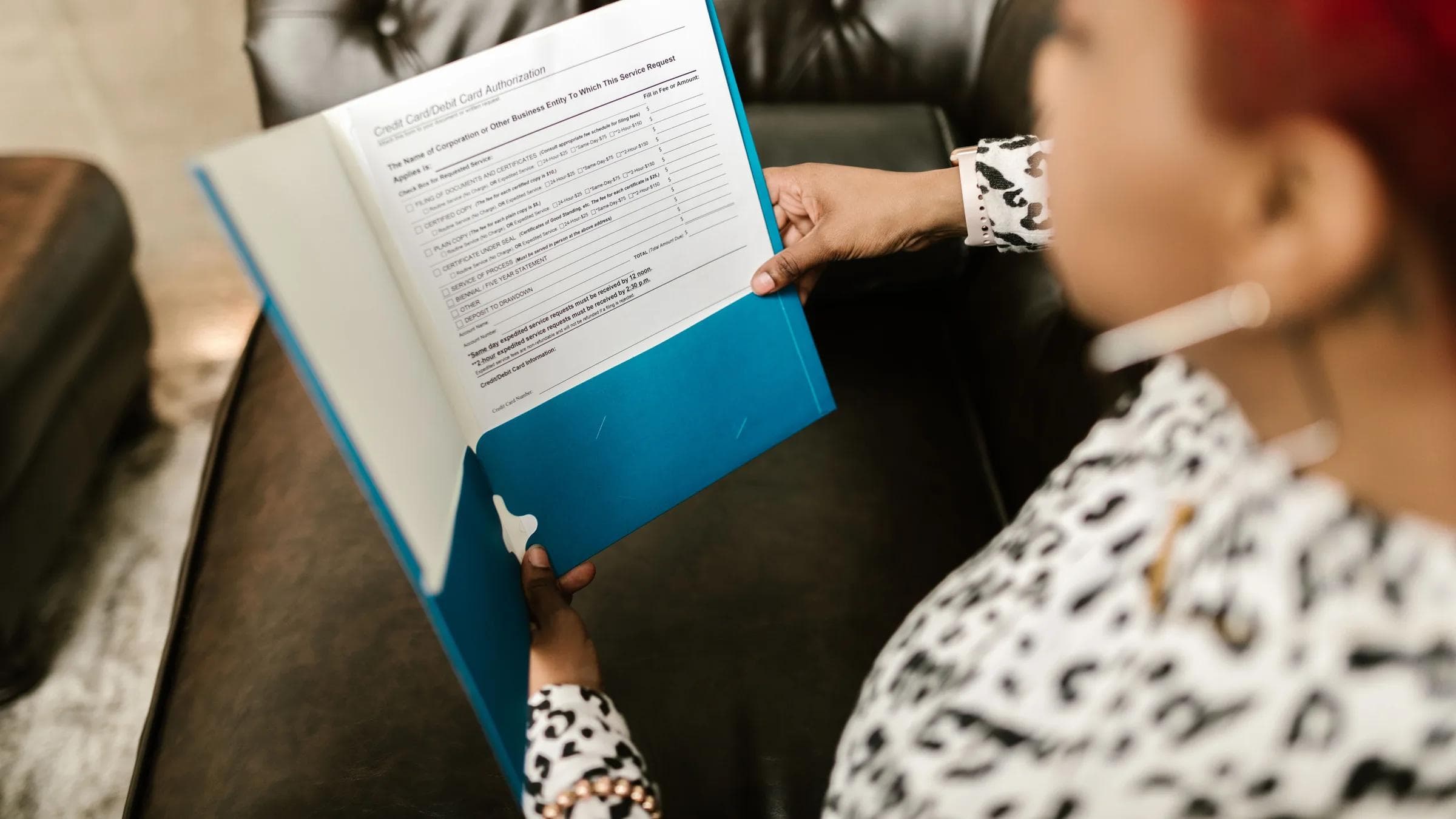
Revisit the care after a collision in someone else's car when a new bill, authorization, explanation of benefits, payment, or denial arrives. The next review of the care after a collision in someone else's car should identify the new information, unresolved item, responsible party, and any appeal deadline. Close the record for the care after a collision in someone else's car by attaching the final response to the document it explains.
Recheck the care after a collision in someone else's car whenever a new bill, benefit explanation, authorization, or denial arrives. Compare the same service date and charge before responding.
A verbal answer about care after a crash in someone else's car is a starting point. Request the relevant written policy, charge, or claim decision before planning around it.
References
About the contributors
Editorial team
ChiropracticMatch Editorial Team
The ChiropracticMatch Editorial Team creates and maintains general educational guides about accident-related care questions, local search, appointments, and insurance conversations. ChiropracticMatch is not a healthcare provider and does not provide medical advice.