
Understanding care after a crash with no visible vehicle damage
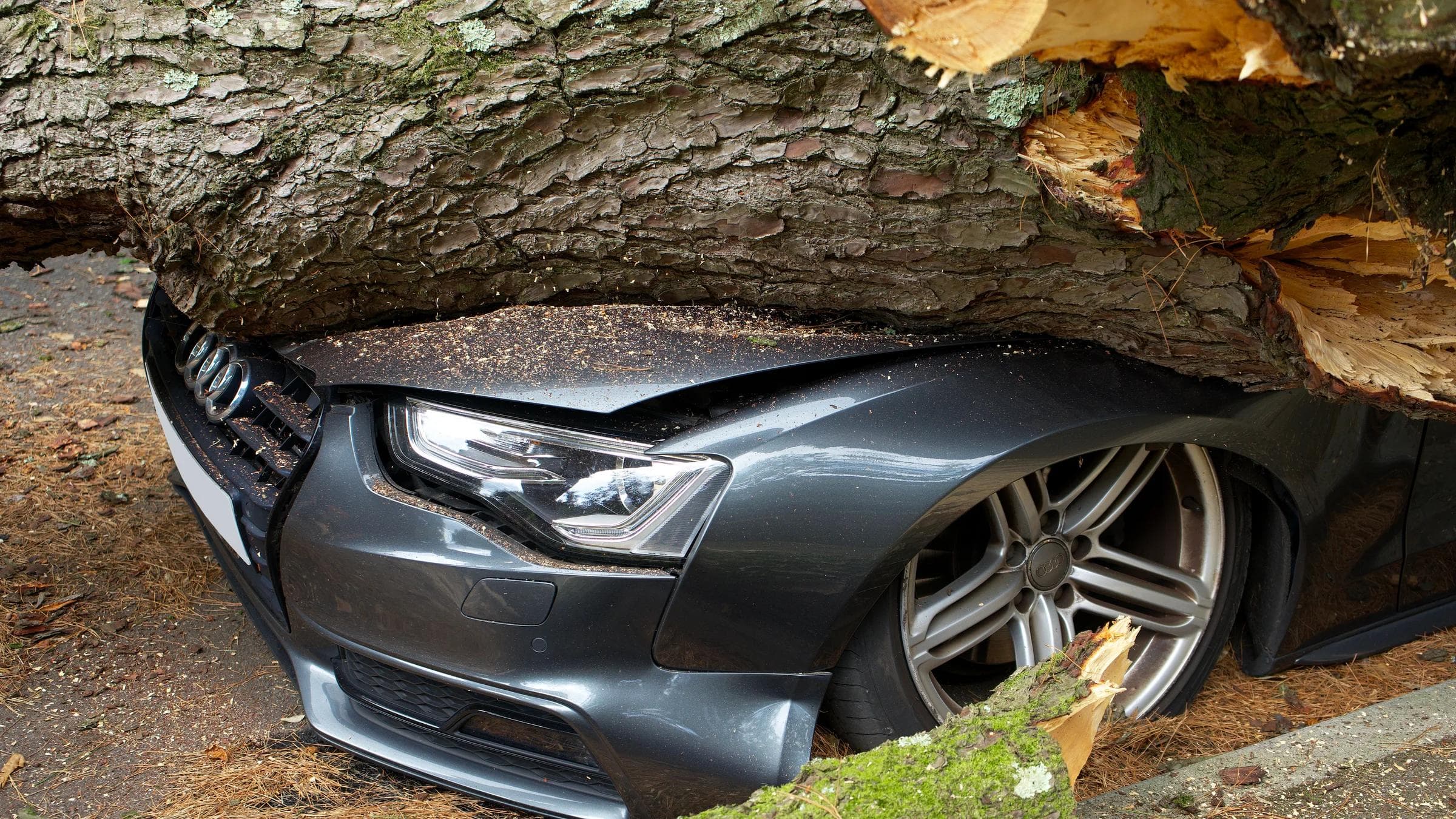
A car may show little damage while an occupant was turned, braced, surprised, or thrown against the seatbelt. The repair bill does not describe neck motion, head position, seat angle, or prior sensitivity. NHTSA crash data work often looks at scene evidence, vehicle damage, occupant contacts, and medical records because injury context is broader than one dent. The broader course matters as well. Write down first symptom time, what task reveals it, and whether it is improving. Pain that repeats with driving, sitting, rest, or work is more significant than one random ache. If the crash looked minor, can a fender bender at low speed cause real injuries overlaps closely.
A consistent example from work, sleep, driving, or self-care can show the effect of care after a crash with no visible vehicle damage more plainly than recurring pain ratings. Write down first symptom time, what activity reveals it, and whether it is improving. Pain that repeats with driving, sitting, sleep, or work is more meaningful than one random ache. If the crash looked minor, can a fender bender at low speed cause real injuries overlaps closely.
A useful description of the care after a collision with no visible vehicle damage identifies where it happens, when it started, what reproduces it, and whether another symptom accompanies it. When reviewing the treatment after a crash with no visible vehicle damage, MedlinePlus's Pain summarizes broad pain information.
Warning signs to discuss without delay
For a new or changing case of care after a crash with no visible vehicle damage, the care setting should reflect severity, progression, and signs that may involve more than one body area. If the care after a collision with no visible vehicle damage shifts and you are unsure how urgent it is, outline the new pattern to a medical screening service rather than waiting for a standard chiropractic appointment.
The immediate question with the care after a collision with no visible vehicle damage is whether the pattern is unchanged enough for routine follow-up. In considering the care after a collision with no visible vehicle damage, Mayo Clinic's Chiropractic adjustment explains procedure and safety considerations.
- New weakness or spreading numbness
- Trouble walking, fainting, or confusion
- Repeated vomiting or breathing difficulty
- Significant chest or abdominal pain
Track the effect on daily function
Use one or two familiar tasks to show how the care after a collision with no visible vehicle damage affects function without intentionally provoking a serious response. Reference points tied to the care after a collision with no visible vehicle damage may come from rest, driving, walking, lifting, work, concentration, or self-care. At follow-up for the care after a collision with no visible vehicle damage, use one unchanged safe benchmark to judge the larger trend.
Use one repeatable measure of function for the care after a collision with no visible vehicle damage instead of scoring symptoms constantly. In considering the treatment after a crash with no visible vehicle damage, Johns Hopkins Medicine's Soft-tissue injuries adds soft-tissue background.
Prepare a focused clinical history
To assess the treatment after a crash with no visible vehicle damage, a clinician may compare the reported chronology with function, exam findings, and relevant screening. Ask which findings help clarify the treatment after a crash with no visible vehicle damage, what remains uncertain, and what would trigger a test, referral, or evaluation beyond the present office's role. Regarding the treatment after a crash with no visible vehicle damage, a plain explanation should separate documented observations, open questions, and any estimated recovery chronology.
Take the records you have for the care after a collision with no visible vehicle damage and list what has not arrived yet. A complete file is not required to begin asking questions. As background for the treatment after a crash with no visible vehicle damage, NCCIH reviews evidence and safety issues in Spinal manipulation safety and side effects.
- Crash date, general impact direction, and whether you were a driver, passenger, cyclist, or pedestrian
- When the concern first appeared and the activity that changes it most
- Emergency, urgent-care, primary-care, imaging, or therapy records already available
- Current medications, prior injuries to the same area, and any written restrictions
- Insurance or claim information you have, clearly marked as confirmed or still uncertain
Reassess when function changes
Use the original activity to determine whether the treatment after a crash with no visible vehicle damage has improved, held steady, or become more restrictive. Add new locations, limitations, or associated symptoms to the treatment after a crash with no visible vehicle damage record without erasing earlier notes. Reconsider follow-up for the treatment after a crash with no visible vehicle damage when the symptom course, examination, daily abilities, or clinician's advice materially changes.
Use the original measure again at the review point; consistency matters more than uninterrupted improvement.
Do not force care after a crash with no visible vehicle damage into a fixed recovery schedule. Use observed changes and professional guidance to decide what comes next.
References
About the contributors
Editorial team
ChiropracticMatch Editorial Team
The ChiropracticMatch Editorial Team creates and maintains general educational guides about accident-related care questions, local search, appointments, and insurance conversations. ChiropracticMatch is not a healthcare provider and does not provide medical advice.