
Balance problems can feel different from dizziness
Some people feel that the room is spinning. Others feel faint, veer to one side, stumble in the dark, or notice that the ground seems unstable. Describe the sensation rather than using dizzy as the only detail.
Note whether the problem occurs while standing, walking, turning the head, changing position, riding in a car, or looking at moving objects. Include whether closing one eye, dim light, or a crowded visual setting changes it. MedlinePlus provides an overview of dizziness and vertigo, but an examination is needed to connect a post-crash balance problem with a particular system or injury.
Screen neurological danger signs first
Call 911 for a sudden inability to stand or walk, weakness or numbness on one side, slurred speech, new vision loss, confusion, seizure, loss of consciousness, or a severe sudden headache. Serious breathing difficulty or chest pain also requires emergency care. After a head or body jolt, a worsening headache, repeated vomiting, unequal pupils, increasing drowsiness, unusual behavior, weakness, numbness, or reduced coordination may be a concussion danger sign. The CDC lists these warning signs.
Do not try to walk an unsafe distance or perform a balance test at home. Sit or lie in a safe place and arrange appropriate medical help.
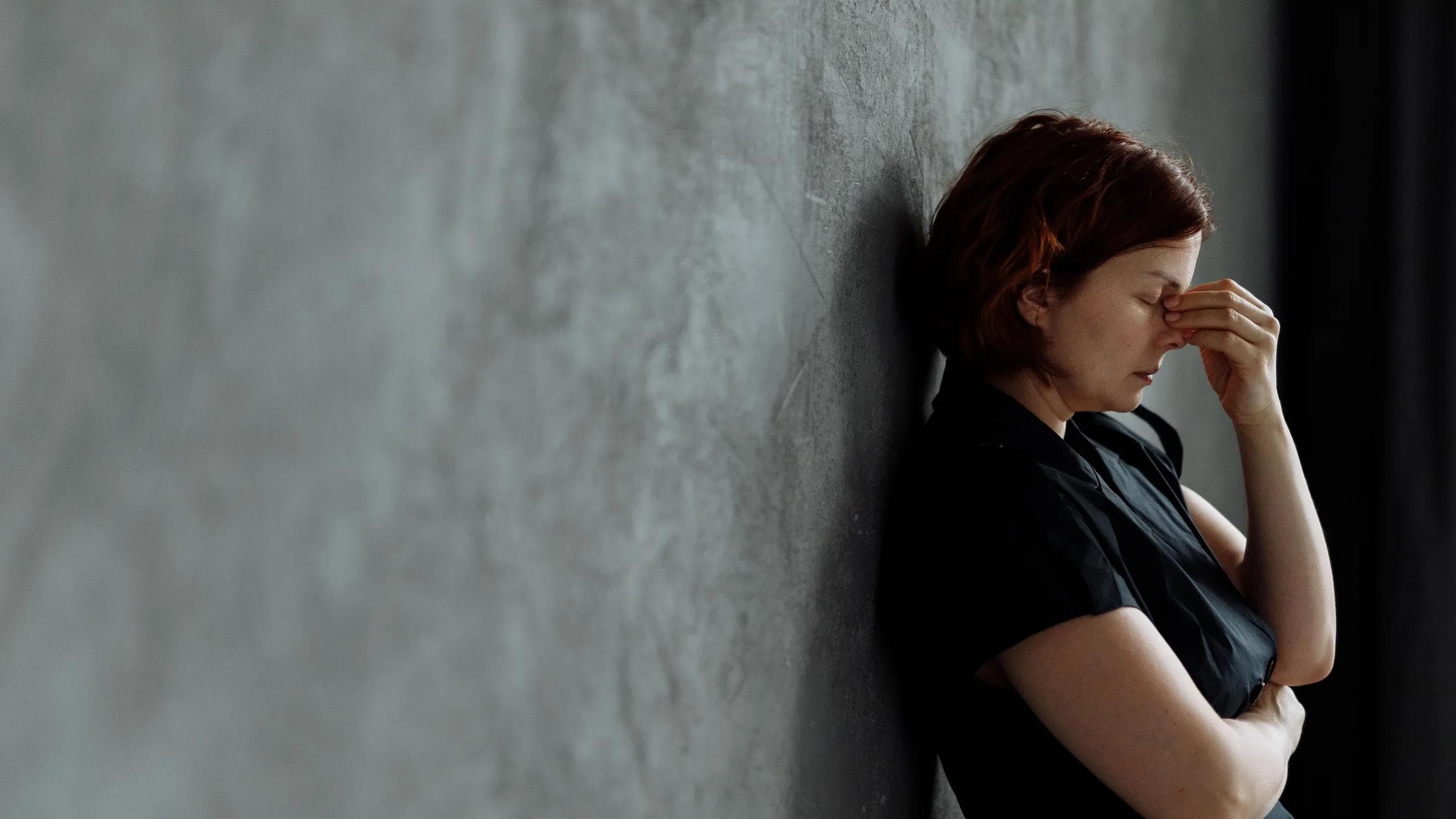
A concussion is one possibility, not the only one
Dizziness and balance problems are recognized concussion symptoms, and they may appear later rather than immediately. MedlinePlus summarizes concussion symptoms and evaluation. Other possibilities can involve the inner ear, vision, nerves, circulation, medication, pain, or another medical condition.
The crash may also worsen a balance problem that existed beforehand. Tell the clinician about headache, nausea, hearing changes, ringing in the ears, vision problems, neck pain, numbness, weakness, faintness, or medication changes. Avoid deciding that one symptom explains the rest.
What an evaluation may examine
A medical professional may assess eye movement, sensation, strength, reflexes, coordination, walking, hearing, position changes, blood pressure, and other findings according to the history. Testing is not identical for every person. The NINDS guide to neurological tests explains how the neurological examination and selected tests help evaluate symptoms involving balance, coordination, nerves, the spinal cord, or the brain.
Bring the crash timeline, earlier concussion or balance history, medication list, and any emergency records. Ask which finding best explains the imbalance and what change should lead to immediate reevaluation.
- Spinning, faintness, veering, or general unsteadiness
- The position or environment that triggers the problem
- Falls, near-falls, and ability to walk safely
- Headache, hearing, vision, nausea, weakness, and numbness
- Medication changes and earlier balance conditions

Reduce fall and driving risk during recovery
Do not drive, climb ladders, work at heights, or use machinery while balance, vision, concentration, or reaction time is unreliable. Arrange transportation and ask for written work or activity restrictions when needed. Use a stable support and adequate lighting if the treating clinician recommends walking.
Do not begin balance drills or forceful head movements without guidance, especially when the cause has not been clarified. Track falls, near-falls, walking tolerance, and the settings that provoke symptoms. MedlinePlus's dizziness guidance identifies head injury and symptoms such as fainting, chest pain, speech change, or vision change as reasons for emergency evaluation.
Balance problems after a crash can involve several body systems. Protect against falls, screen urgent neurological signs, and use a medical evaluation to identify the cause before returning to driving or risky activity.
References
About the contributors
Editorial team
ChiropracticMatch Editorial Team
The ChiropracticMatch Editorial Team creates and maintains general educational guides about accident-related care questions, local search, appointments, and insurance conversations. ChiropracticMatch is not a healthcare provider and does not provide medical advice.