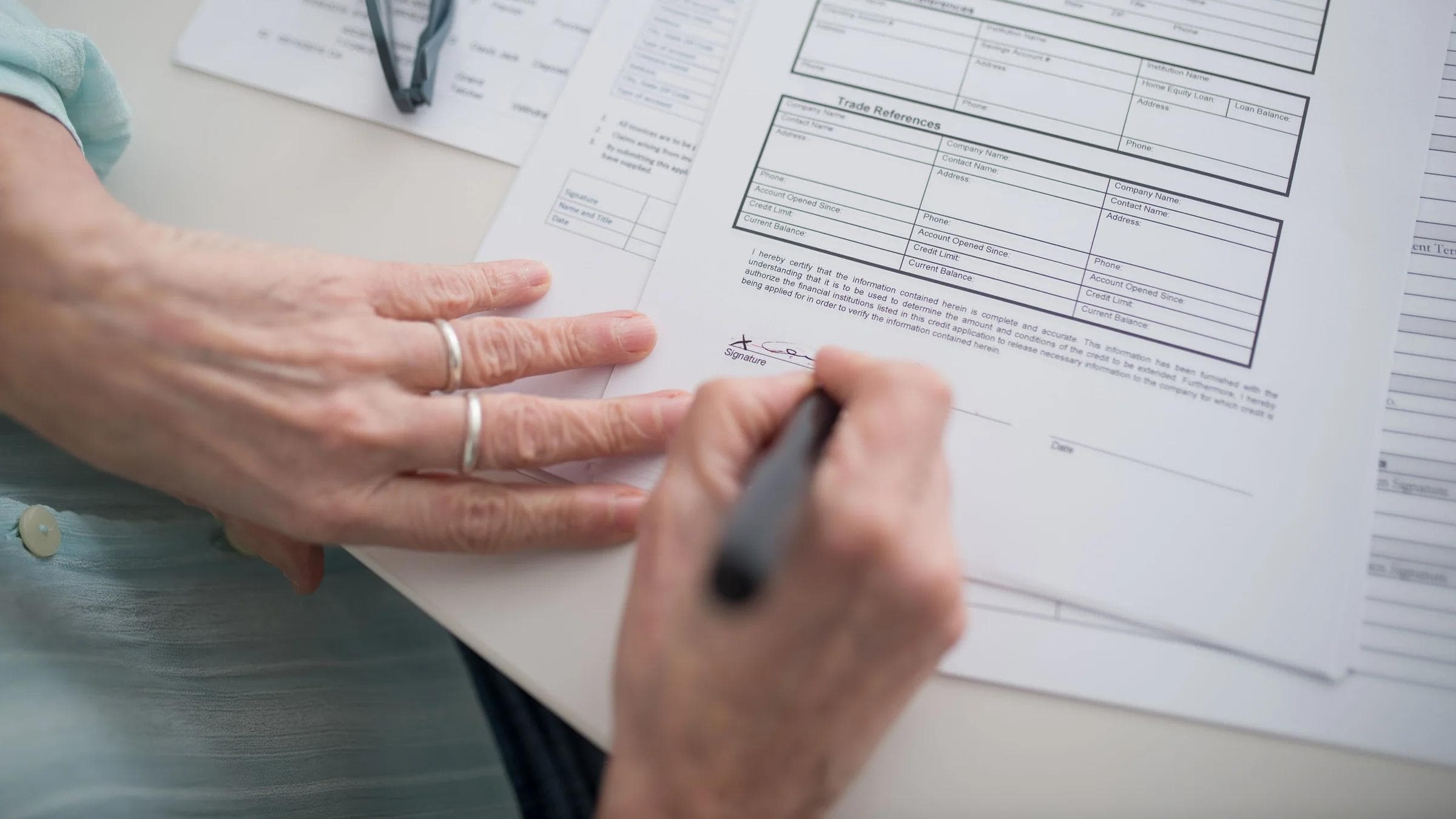
Identify the document that controls the answer
If symptoms are serious, neurological, chest-connected, abdominal, or concussion-like, seek medical care in the state where the crash happened. Do not wait to return home for time-sensitive evaluation. Keep discharge papers, imaging reports, medication lists, and bills because your home provider will need them. Your auto policy, health insurance network, rental coverage, or another driver's policy may be involved. NAIC advice emphasizes reading your policy and following claim procedures. Ask your insurer how out-of-state care should be billed and whether referrals or authorizations are needed.
Those stages of care after an out-of-state collision are distinct and should not be treated as interchangeable. For a usable answer about the treatment after an out-of-state collision, separate the policy terms from the present claim status. Record both instead of treating them as one decision. As background for the treatment after an out-of-state collision, NAIC's Consumer guide to auto insurance offers background on coverage. Confirm each detail in the applicable plan or claim document.
Ask the office and payer different questions
Clinical need and payment are separate parts of care after an out-of-state crash: a healthcare professional addresses the first, while the payer controls the second. Regarding care after an out-of-state collision, the practice can clarify its invoice without guaranteeing an insurer's decision. A denial or delay involving the treatment after an out-of-state collision does not determine which care setting is medically appropriate.
Separate the care plan from the payment question in the treatment after an out-of-state collision. The office explains its invoice, while the payer controls benefits and claim decisions. In considering the treatment after an out-of-state collision, NAIC's Consumer guide to auto insurance claims gives general coverage background. Check the answer against the documents governing the claim.

Questions and documents to gather
Place the policy, claim number, office estimate, bills, and payer correspondence for the treatment after an out-of-state collision in one dated file. When documenting the treatment after an out-of-state collision, record the representative's name, date, reference number, and the exact next action or missing document. When checking the treatment after an out-of-state collision, compare written documents using the same clinician, code, charge, and service date.
Before asking about the treatment after an out-of-state crash, gather the relevant document and account numbers. Write down who answered, when, and under which reference number. As background for the treatment after an out-of-state crash, NAIC's Auto insurance coverage topics offers background on coverage. Confirm each detail in the applicable plan or claim document.
- Crash date, general impact direction, and whether you were a driver, passenger, cyclist, or pedestrian
- When the concern first appeared and the activity that changes it most
- Emergency, urgent-care, primary-care, imaging, or therapy records already available
- Current medications, prior injuries to the same area, and any written restrictions
- Insurance or claim information you have, clearly marked as confirmed or still uncertain
How to resolve conflicting answers
For inconsistent answers about the treatment after an out-of-state collision, request the policy term, claim record, or invoice each party relied on. Direct price questions about care after an out-of-state crash to the practice. Ask the insurer about claim status and the regulator about its complaint process. Save each written answer about the treatment after an out-of-state collision until you can identify why the organizations disagree.
For conflicting answers about the treatment after an out-of-state crash, compare the cited policy terms and claim records. Preserve each response until the reason for the difference is clear.

Recheck when a new document arrives
Update the chronology for care after an out-of-state crash after each new invoice, payment, authorization, benefit notice, or denial. When reviewing the treatment after an out-of-state collision, confirm what changed, what remains pending, and whether a response or appeal deadline applies. Store the final answer about the treatment after an out-of-state collision with the document it addresses.
Each new claim document can change the treatment after an out-of-state crash. Update the chronology, then compare the same clinician, service date, and charge.
For care after an out-of-state collision, save the policy language, benefit explanation, or claim notice that supports the answer you were given.
References
About the contributors
Editorial team
ChiropracticMatch Editorial Team
The ChiropracticMatch Editorial Team creates and maintains general educational guides about accident-related care questions, local search, appointments, and insurance conversations. ChiropracticMatch is not a healthcare provider and does not provide medical advice.