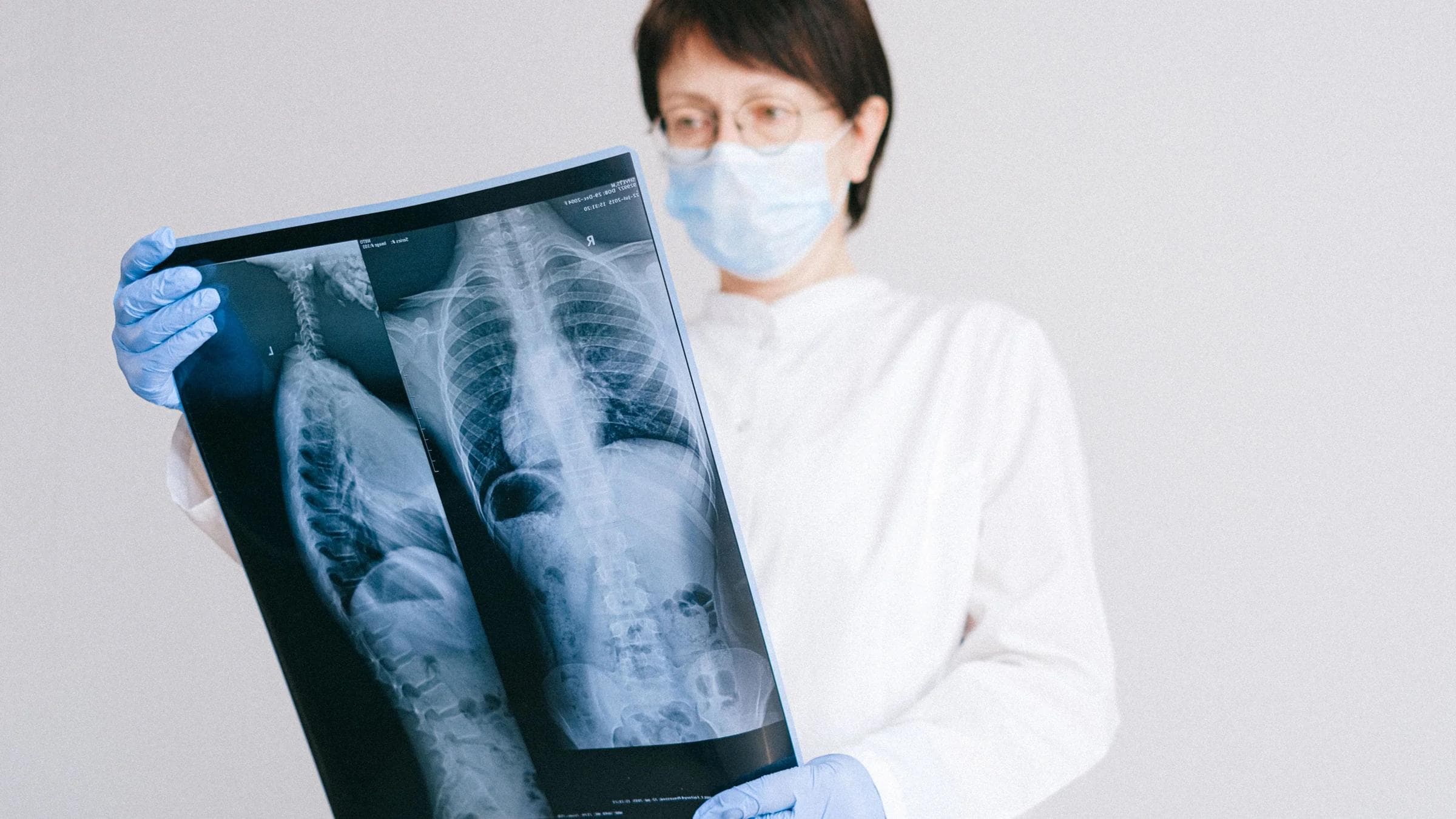
Why each breath may reproduce pain
The rib cage expands and the diaphragm moves as you inhale. A deep breath increases that movement, while coughing, laughing, twisting, and reaching can add force through the same region. A shoulder belt can load the chest, an airbag can contact the breastbone, and bracing can tense the muscles around the ribs and upper back. MedlinePlus describes chest injuries and disorders, but the symptom pattern still needs individual assessment.
Pain that is tender to touch or changes with position may help localize the complaint. It does not, by itself, rule out a more serious chest problem.
The associated symptoms change the urgency
Call emergency services for severe shortness of breath, crushing or heavy chest pressure, fainting, coughing blood, confusion, blue or gray skin, or rapidly worsening symptoms. Pain spreading to the jaw, arm, shoulder, or back also warrants immediate attention. Tell the dispatcher or clinician about sweating, nausea, dizziness, an irregular heartbeat, abdominal pain, or weakness. The MedlinePlus chest-pain overview shows why chest symptoms are evaluated in context rather than assigned one cause from a checklist.
Do not drive yourself if breathing feels unstable or you may faint. A planned office appointment should not delay emergency assessment.

Compare breathing, movement, and pressure carefully
Explain whether ordinary breathing hurts or only a full inhalation does. Note what happens with coughing, sneezing, rolling in bed, raising an arm, turning the torso, or pressing gently on the area. Do not keep repeating a painful maneuver to make the pattern more obvious.
One clear description of what reproduced the symptom is enough to bring to an evaluation. Include visible bruising, swelling, belt marks, and the point of contact inside the vehicle. Also state when the symptom began and whether it is stable, improving, or becoming more intense.
- Exact location and quality of the pain
- Ordinary breath versus deep-breath symptoms
- Coughing, movement, and touch responses
- Shortness of breath or other whole-body symptoms
- Seat belt, airbag, and direct-impact details
How clinicians sort the possibilities
The first assessment may include vital signs, oxygen level, heart rhythm, breath sounds, and examination of the ribs, breastbone, back, and abdomen. Findings elsewhere can matter because a collision may affect more than one region. The NCBI Bookshelf thoracic-trauma review describes imaging and other evaluation methods used according to stability and suspected injury.
A clinician chooses among them based on the complete picture. MedlinePlus lists a broad range of chest-pain causes. That range is a reason to avoid self-diagnosing the symptom as anxiety, a rib injury, or muscle strain before appropriate screening.

What to monitor after assessment
Follow any written limits and return precautions. Ask whether coughing, walking, sleep position, work, and exercise should be modified and how long those instructions apply. Use a simple daily comparison, such as comfortable walking or the ability to speak and move without increased breathlessness.
Report a clear decline instead of waiting for the next scheduled visit. A new fever, worsening breathlessness, faintness, increasing chest pain, or another change named in your discharge instructions should prompt renewed medical contact.
Breathing can hurt when an injured chest-wall structure moves, but the same symptom can accompany more serious conditions. Seek medical evaluation, report associated symptoms, and follow the return precautions you are given.
References
About the contributors
Editorial team
ChiropracticMatch Editorial Team
The ChiropracticMatch Editorial Team creates and maintains general educational guides about accident-related care questions, local search, appointments, and insurance conversations. ChiropracticMatch is not a healthcare provider and does not provide medical advice.