Start with the reason for the recommendation
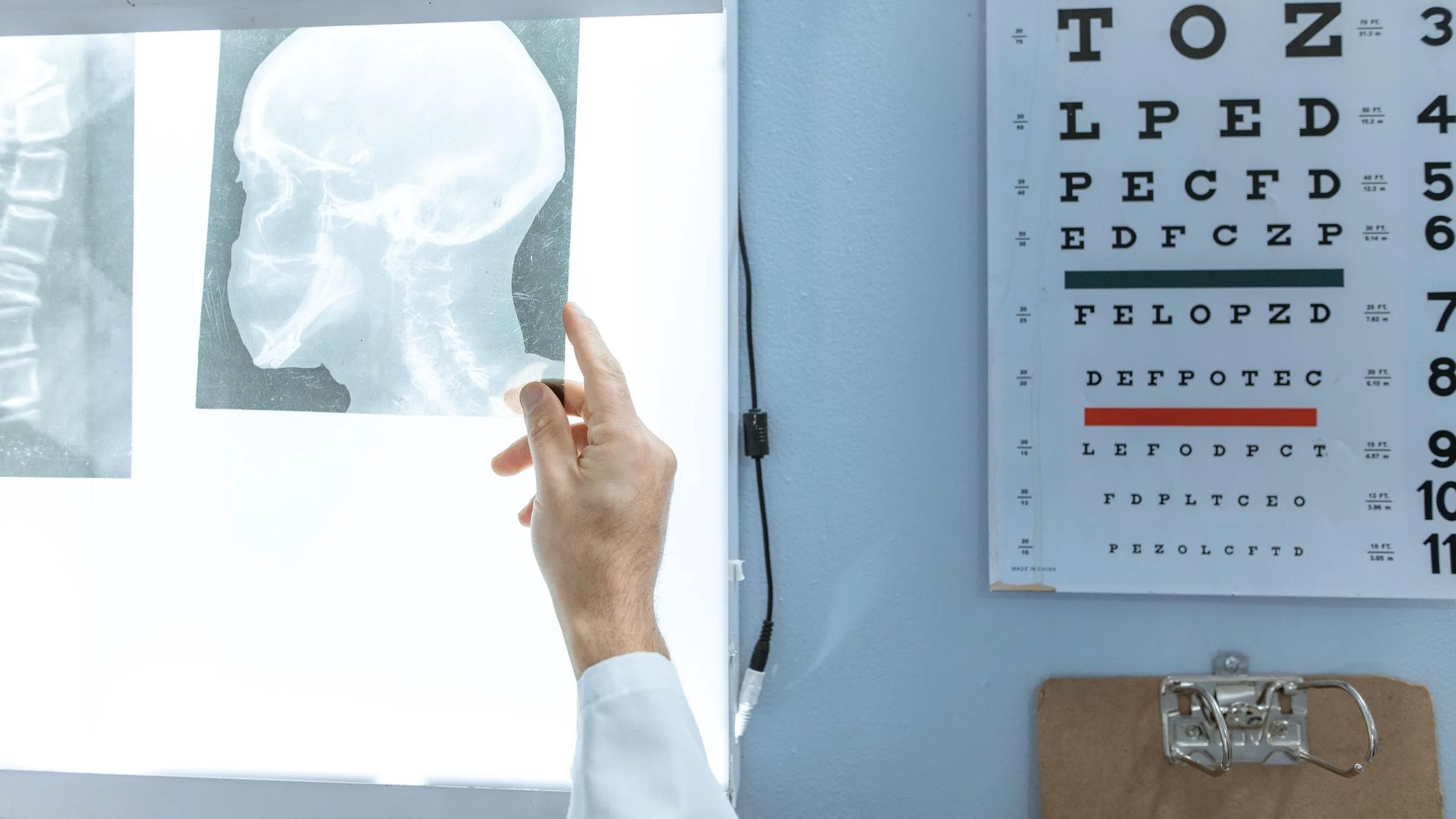
Emergency teams do not X-ray every painful area automatically. They consider symptoms, examination findings, mechanism, and medical risk. MedlinePlus explains that X-rays create images of structures inside the body, but the right imaging depends on what the provider is trying to evaluate. No X-ray can still be suitable when fracture issue is low. The broader course matters as well. Muscle strain, ligament irritation, whiplash, joint dysfunction, and many soft-tissue complaints may not show on a basic X-ray. That is why someone can be discharged from the ER and still have pain later. If this sounds familiar, ER cleared you but you still feel pain later explains the follow-up gap.
Ask whether leaving the ER without X-rays is routine, time-sensitive, or prompted by a warning sign. Begin leaving the ER without radiographs with one defined clinical question and a straightforward account of the office's role and referral limits. In considering leaving the ER without radiographs, MedlinePlus's Diagnostic imaging explains imaging purposes and limits.
A result needs clinical context
The usefulness of a test connected with leaving the ER without X-rays depends on the question, body area, and type of information the test can offer. For leaving the ER without radiographs, ask whether a different test or no imaging is reasonable and have benefits, limits, and contraindications explained. Interpret a report from leaving the ER without radiographs beside symptoms, examination observations, history, and function.
When reviewing leaving the ER without radiographs, ask which finding supports each plan and what new information would alter it. Regarding leaving the ER without radiographs, MedlinePlus's X-ray explains imaging purposes and limits.

Know who is responsible for the next step
Pinpoint who orders the test or consultation, who receives the result, and who explains what happens afterward. In the handoff for leaving the ER without radiographs, ask whether local rules or role limits require another qualified clinician. Confirm how records for leaving the ER without radiographs will move between offices and whether authorization is required. The follow-up route should be straightforward before scheduling.
Review leaving the ER without radiographs in three parts: clinical purpose, workable schedule, and payment. Note who controls each answer about leaving the ER without radiographs. In considering leaving the ER without radiographs, RadiologyInfo's Bone X-ray explains imaging purposes and limits.
- Crash date, general impact direction, and whether you were a driver, passenger, cyclist, or pedestrian
- When the concern first appeared and the activity that changes it most
- Emergency, urgent-care, primary-care, imaging, or therapy records already available
- Current medications, prior injuries to the same area, and any written restrictions
- Insurance or claim information you have, clearly marked as confirmed or still uncertain
A coverage answer does not decide medical need
Payment questions around leaving the ER without radiographs should be verified with the responsible payer using the exact test, clinician, location, and service date. Regarding leaving the ER without radiographs, the practice explains its recommendation and charges, while the insurer controls authorization, benefits, and claims. Keep leaving the ER without radiographs documents separate: the order, estimate, authorization, report, and final bill.
Set a review point. Before continuing leaving the ER without radiographs, compare current function, new observations, and the original goal. As background for leaving the ER without radiographs, NCCIH provides evidence and safety background in Spinal manipulation safety and side effects.

Review the result in context
After leaving the ER without radiographs, ask what the outcome confirms, what stays uncertain, and whether the original plan should continue, change, or stop. With leaving the ER without radiographs, request the report and explanation. If interpretations differ, ask which finding supports each one. If leaving the ER without radiographs is followed by rapid symptom deteriorating, seek prompt medical assessment regardless of the routine schedule.
A useful discussion of leaving the ER without radiographs names the alternatives and leaves room for a distinct practice, another opinion, or no immediate decision. Regarding leaving the ER without radiographs, Mayo Clinic's Chiropractic adjustment explains procedure and safety considerations.
For leaving the ER without X-rays, close the loop by learning what the result can show, who will interpret it, and how it may affect care.
References
About the contributors
Editorial team
ChiropracticMatch Editorial Team
The ChiropracticMatch Editorial Team creates and maintains general educational guides about accident-related care questions, local search, appointments, and insurance conversations. ChiropracticMatch is not a healthcare provider and does not provide medical advice.