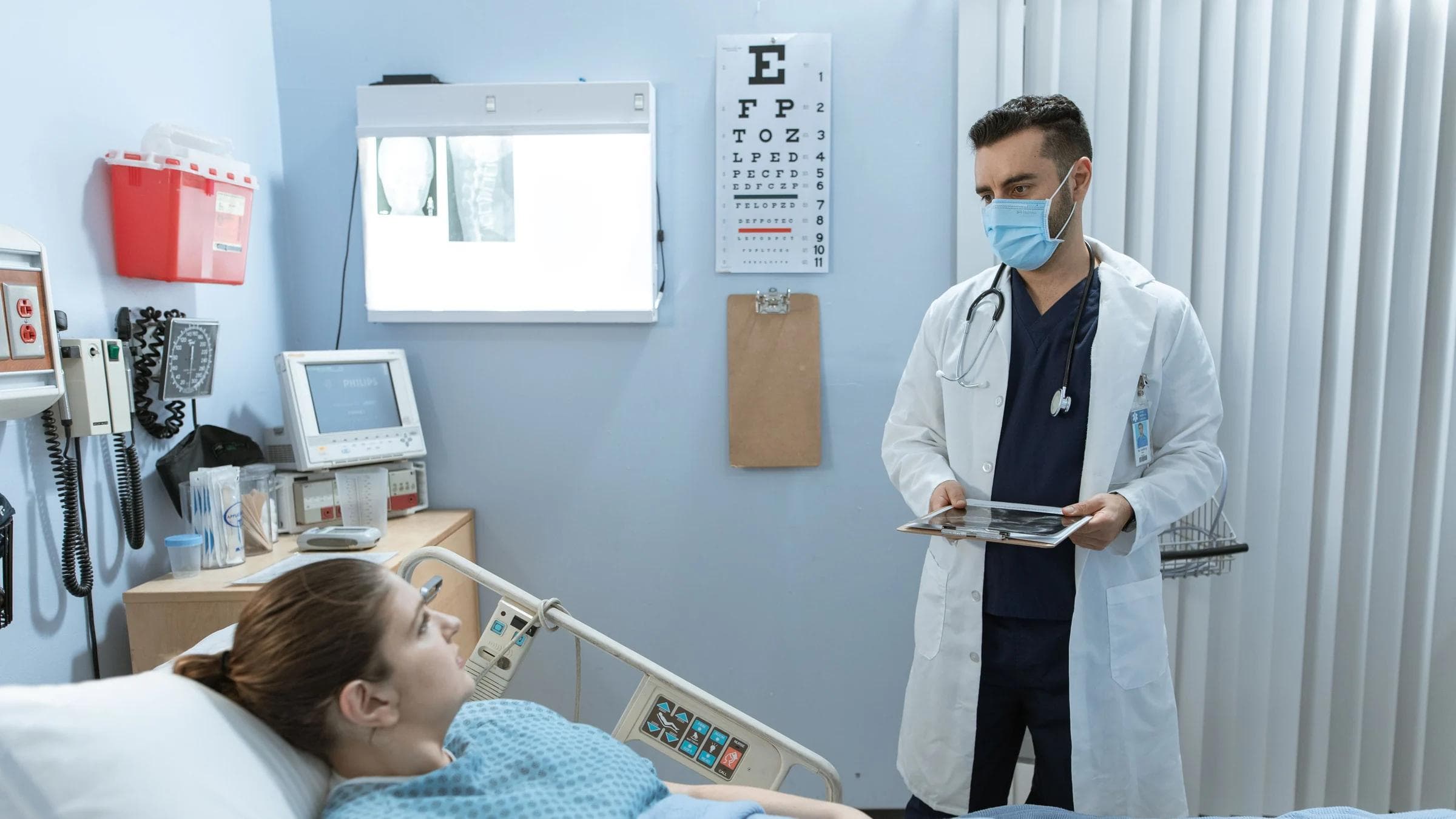
Understanding tailbone pain
The tailbone, or coccyx area, is stressed by sitting, rising from a chair, and pressure through the pelvis. A crash can jolt the seat upward or push the body into the seatback. Pain may stay at the tailbone or blend with low-back, pelvic, or hip symptoms. Location and sitting tolerance are helpful clues.
If you landed hard, struck the seat frame, or had immediate severe pain, medical evaluation may be required to check for fracture or other injury. Trouble walking, numbness, bladder or bowel shifts, or severe neurological symptoms should not wait. NINDS notes that low back pain can include sharp or shooting pain and may involve connected symptoms. Anchor the description of tailbone pain to what changed in an ordinary task and when that change first became plain.
A useful account of the tailbone discomfort identifies where it happens, when it started, what reproduces it, and whether another symptom accompanies it. As background for the tailbone discomfort, MedlinePlus's Pain summarizes broad pain information.
When prompt medical evaluation may be appropriate
A care-setting decision for tailbone pain should account for how severe the issue is, how quickly it shifted, and whether other body systems appear involved. Do not wait on standard care alone if tailbone pain shifts in a way that makes the required level of assessment unclear.
Standard planning for the tailbone discomfort comes after checking whether the symptoms are serious, new, or progressing quickly. When reviewing the tailbone discomfort, Mayo Clinic's Chiropractic adjustment explains procedure and safety considerations.
- New weakness or spreading numbness
- Trouble walking, fainting, or confusion
- Repeated vomiting or breathing difficulty
- Significant chest or abdominal pain

Choose consistent examples from daily life
Use one or two familiar tasks to show how tailbone pain affects function without intentionally provoking a severe response. Reference points tied to tailbone pain may come from sleep, driving, walking, lifting, work, concentration, or self-care. At follow-up for tailbone pain, use one unchanged safe benchmark to judge the larger trend.
Track the tailbone discomfort with the same one or two everyday tasks at each review point. When reviewing the tailbone discomfort, Johns Hopkins Medicine's Soft-tissue injuries adds soft-tissue context.
How to discuss possible explanations
Evaluation of tailbone pain can begin with the crash history, symptom sequence, present limitations, and examination findings. Ask which findings help clarify tailbone pain, what remains uncertain, and which change would prompt imaging, referral, or evaluation in another setting. Regarding tailbone pain, a clear explanation should separate documented observations, open questions, and any estimated recovery timeline.
Bring what has arrived for the tailbone discomfort and mark each outstanding document as requested rather than assumed. When reviewing the tailbone discomfort, NCCIH discusses evidence and safety considerations in Spinal manipulation safety and side effects.
- Crash date, general impact direction, and whether you were a driver, passenger, cyclist, or pedestrian
- When the concern first appeared and the activity that changes it most
- Emergency, urgent-care, primary-care, imaging, or therapy records already available
- Current medications, prior injuries to the same area, and any written restrictions
- Insurance or claim information you have, clearly marked as confirmed or still uncertain

Keep the next review focused
Revisit tailbone pain with the original measure and note progress, stability, or decline. Outline later changes in tailbone pain as additions to the timeline, especially when the area or effect on function differs. Let the follow-up plan for tailbone pain change when new observations, constraints, or clinical advice alter the picture.
Keep the benchmark unchanged across visits. Recovery can fluctuate, so the broader direction is more helpful than one isolated day.
Use one safe functional reference to follow tailbone pain, and promptly report a new neurological or whole-body symptom.
References
About the contributors
Editorial team
ChiropracticMatch Editorial Team
The ChiropracticMatch Editorial Team creates and maintains general educational guides about accident-related care questions, local search, appointments, and insurance conversations. ChiropracticMatch is not a healthcare provider and does not provide medical advice.